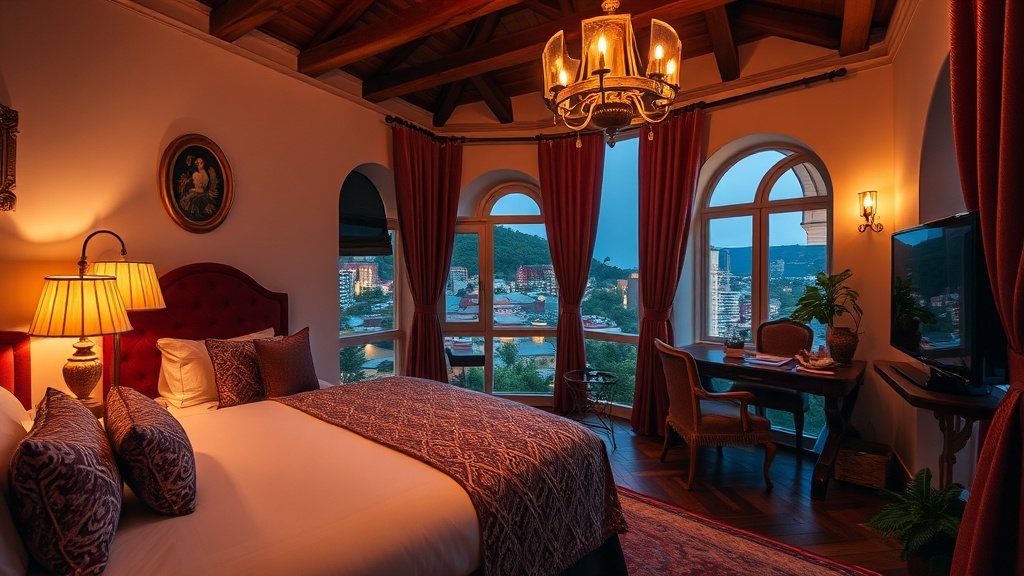
Booking the Right Boutique Hotel for Small Town Escapes

This guide explains how to identify, vet, and book high-quality boutique hotels when you are planning a quick weekend trip to a smaller town or rural area. You'll learn how to look past glossy photos, how to verify true service standards, and how to ensure a local property meets your specific comfort requirements.
Finding a unique place to stay in a small town isn't as easy as booking a standard chain hotel in a major city. When you're looking for character, you're often trading predictable amenities for personality. That's fine—if you know what to look for. A boutique hotel in a rural area might have incredible charm, but it could also lack basic modern conveniences like high-speed internet or reliable air conditioning. You need a system to filter the gems from the disappointments.
Before you hit the "book" button, you have to understand that boutique properties are often managed by individuals or small local groups rather than large corporations. This means the experience is highly variable. One property might offer a world-class breakfast with locally sourced eggs, while another might have a very limited menu because they don't have a full-time kitchen staff. You'll need to dig a bit deeper into the details to avoid any unpleasant surprises.
How do I know if a boutique hotel is actually high quality?
The biggest mistake travelers make is relying solely on the hotel's own website or high-resolution photos. Professional photographers can make even a cramped, dated room look spacious and inviting. To get the real story, you need to look for recent, unedited guest feedback. Check sites like TripAdvisor to see real photos uploaded by travelers over the last three to six months. Look specifically for mentions of cleanliness and the condition of the plumbing—those are the two things that usually reveal the true state of a property.
Pay close attention to the ratio of staff to guests. If a hotel only has five rooms, you shouldn't expect a 24-hour concierge, but you should expect a high level of care. If reviews mention that the staff was unresponsive or that check-in was a struggle, that's a red flag. In a small town, the staff is often the heartbeat of the hotel. If they aren't there, the whole experience falls apart.
What should I look for in the fine print?
When you're booking a non-chain property, the "rules" can be much more flexible—or much more rigid—than you're used to. You need to check the cancellation policy. Many small-town hotels have strict no-refund policies to protect their small-scale operations. If your plans change, you could lose a significant amount of money if you haven't read the fine print.
Another thing to look for is the specific list of amenities. Don't assume a "continental breakfast" includes more than coffee and toast. In many rural boutique hotels, breakfast is a separate, paid-for service. Similarly, check for things like Wi-Fi availability. In remote areas, the signal can be weak, and even if the hotel offers Wi-Fi, it might not be strong enough for a video call or streaming. You can often find the most accurate information on the Google Travel platform by looking at the specific amenities listed for that property.
Consider the logistics of your arrival. Does the hotel have a front desk that is open 24/7? If you're driving into a small town and arriving after 8:00 PM, you don't want to find a locked door and no one to let you in. Many smaller properties use automated entry systems or key boxes, so make sure you know how that works before you leave your house.
| Feature | What to Check For | Red Flag |
|---|---|---|
| Wi-Fi | Speed and availability in rooms | "Available in lobby only" |
| Breakfast | Menu details and timing | No mention of food options |
| Parking | On-site vs. street parking | Limited or paid parking-only |
| Check-in | Staffing hours | No mention of after-hours entry |
The goal is to find a place that feels special without being a gamble. A well-run boutique hotel should be transparent about what it can and cannot provide. If the website is vague about its services, it's often because they are trying to hide a lack of amenities. A professional, transparent approach is a sign of a well-managed property.
One last tip: reach out directly. If you're unsure about something—the size of the bed, the noise level, or the proximity to a specific landmark—send a quick email or call them. A high-quality boutique hotel will be happy to answer your questions. If they are slow to respond or dismissive, that's your signal to look elsewhere. Your weekend getaway depends on the quality of your base, so don't settle for a property that doesn't communicate well.