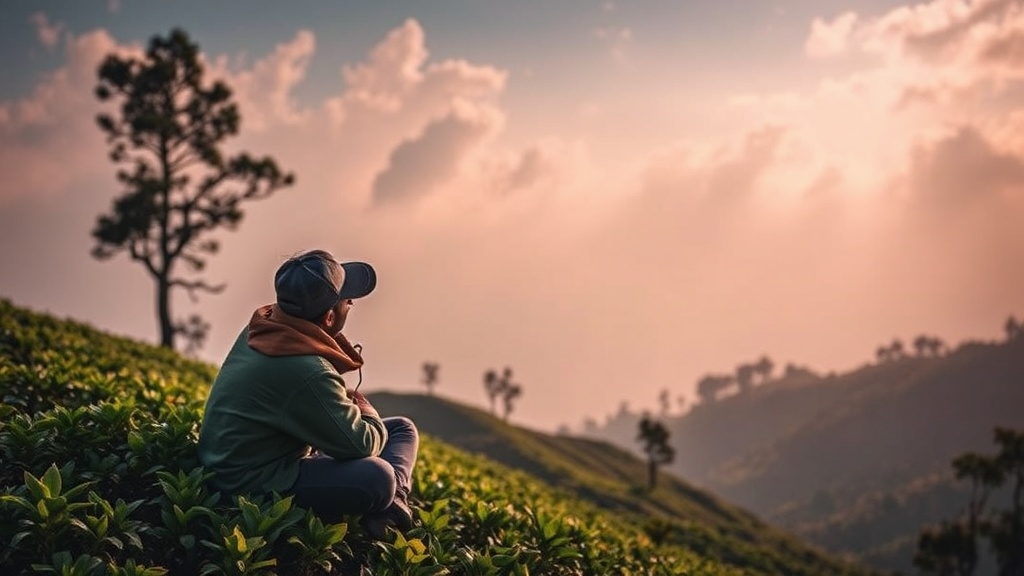
Exploring High Altitude Tea Gardens in the Himalayan Foothills

A traveler stands at a roadside stall in Darjeeling, holding a steaming ceramic cup while the morning mist rolls over the hills. The air is thin, crisp, and smells faintly of damp earth and woodsmoke. This isn't just a scenic stop; it's a deep dive into one of the world's most significant tea-growing regions. This post looks at the logistics, the best times to visit, and the practicalities of visiting high-altitude tea gardens in the Himalayan foothills.
High-altitude tea production requires specific environmental conditions that you won't find in lowland plantations. The altitude affects the flavor profile of the leaves, often resulting in a more nuanced, complex taste. If you're planning a trip to the Eastern Himalayas—specifically the West Bengal and Sikkim regions—you need to understand the geography to make the most of your time.
When is the Best Time to Visit Tea Gardens in Darjeeling?
The best time to visit the tea gardens in the Himalayan foothills is between March and May or from September to November. During the spring months, the tea bushes are in full bloom, and the weather is mild enough for walking through the estates without the heavy monsoon rains. If you want to see the actual plucking process, aim for the first flush in late March.
The weather can be temperamental. One moment it's sunny, and the next, a thick fog descends, swallowing the view of the mountains. This is part of the charm, but it's also a practical concern for your photography or sightseeing. If you're a photographer, the light during the "golden hour" in autumn is spectacular, but you'll need a solid windbreaker for those sudden temperature drops.
Keep in mind that the monsoon season (June to August) brings heavy rainfall. While the greenery is incredibly lush during this time, many mountain roads become difficult to traverse. If you're prone to motion sickness or dislike humidity, avoid the summer months. Instead, check the official weather forecasts before booking your flights to ensure you aren't stuck in a downpour.
Here’s a quick breakdown of what to expect during different seasons:
| Season | Weather Profile | Tea Status | Travel Tip |
|---|---|---|---|
| Spring (Mar-May) | Mild & Sunny | First Flush (Lightest) | Great for hiking |
| Monsoon (Jun-Aug) | Heavy Rain | Growth Phase | Expect road delays |
| Autumn (Sep-Nov) | Clear & Crisp | Second Flush | Best for photography |
| Winter (Dec-Feb) | Cold/Frosty | Dormant Period | Pack heavy layers |
How Much Does a Tea Estate Tour Cost?
A standard tea estate tour in the Himalayan foothills typically costs between $10 and $30 USD per person, depending on whether you include a tasting session. Most boutique tea estates offer guided walks that provide insight into the processing methods. Some high-end properties, like those under the Glenburn Tea Estate brand, offer much more expensive, all-inclusive luxury experiences.
Don't expect a massive price tag for a simple walk-through. Most of the cost goes into the guided expertise and the tea samples you receive. It's worth noting that if you want to stay overnight in a tea bungalow, prices can jump significantly. These are often premium experiences that blend heritage lodging with local culture.
If you're on a budget, you can still experience the atmosphere by visiting local markets. You'll see the tea being sold in bulk, and the prices are much lower than in high-end boutiques. It's a great way to pick up authentic souvenirs without the "tourist tax."
What Should You Pack for a Himalayan Tea Trip?
You should pack versatile layers, a sturdy pair of walking shoes, and a waterproof jacket. The weather in the foothills changes rapidly—one minute it's warm under the sun, and the next, a chill settles in as the clouds move through the valleys. I personally never leave without my Patagonia Nano Puff or a similar lightweight insulated jacket; it's perfect for those sudden temperature shifts.
Your footwear is arguably your most important gear. You'll likely be walking on uneven, potentially muddy paths through the plantations. A pair of trail runners or light hiking boots is much better than standard sneakers. If you're planning to do more intensive trekking near these areas, you might even want to pack a lightweight water filter to stay hydrated on longer walks.
Here is a checklist of essentials:
- Lightweight Down Jacket: For evening chills.
- Waterproof Shell: Essential for unexpected mountain showers.
- Sun Protection: High-altitude sun is deceptively strong.
- Sturdy Footwear: Grip is vital on sloped tea-growing terraces.
- Reusable Water Bottle: Staying hydrated is key at higher altitudes.
The terrain isn't flat. You'll be constantly moving up and down the slopes of the mountainside. This can be taxing on the legs if you aren't prepared. Make sure your backpack is comfortable and doesn't weigh you down too much. A small, lightweight daypack is plenty for a few hours of exploring.
One thing to remember is that the air is much drier here than in coastal areas. Your skin will feel it. I always carry a high-quality moisturizer and some lip balm—small things that make a big difference when you're out in the elements. It's a small detail, but your future self will thank you.
While you're exploring, you might find yourself wandering into small local villages. These areas are often quite remote. If you're traveling solo, it's wise to keep a map or a downloaded offline version of the area on your phone. Signal can be spotty once you move away from the main towns. I've found that having a physical map is a reliable backup when the technology fails.
If you're interested in the culinary side of travel, the tea-growing regions often have incredible local food. The culture here is a mix of many different influences, and the food reflects that. You'll find everything from spicy Himalayan dumplings to local mountain-grown tea varieties. It's a great way to experience the local way of life beyond just the scenery.
If you've enjoyed exploring different cultures through their food and drink, you might also enjoy my previous piece on finding hidden coffee spots in various neighborhoods. The connection between local beverages and regional identity is a fascinating subject.
Ultimately, a trip to the Himalayan tea gardens is about slowing down. It's not a high-octane adventure, but a sensory experience. It's the smell of the leaves, the taste of the brew, and the sight of the mountains. Just be prepared for the unpredictable nature of the mountains. They have a way of keeping you on your toes.