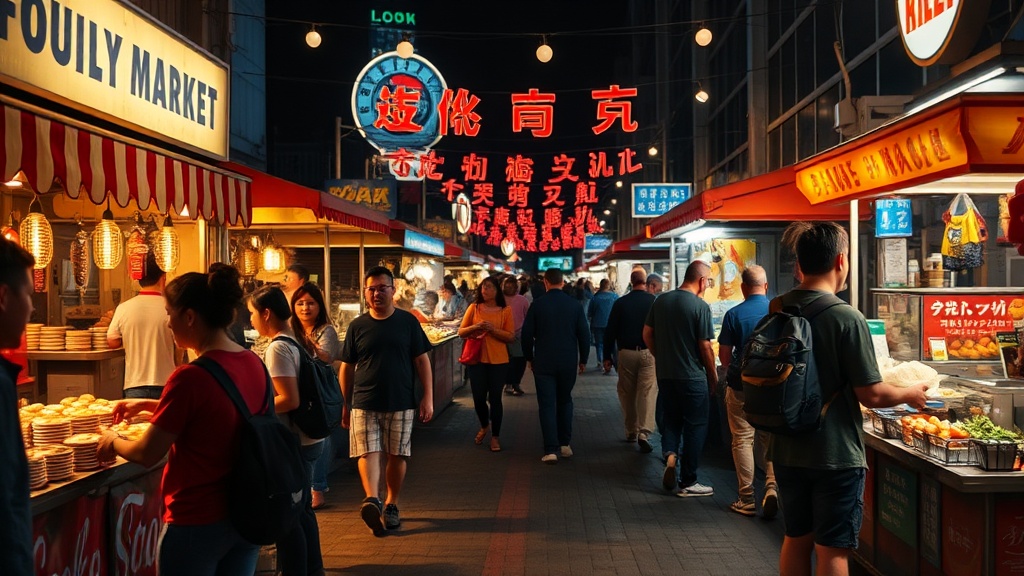
Navigating Local Night Markets for Street Food Enthusiasts

Imagine standing on a street corner in Taipei or Bangkok, surrounded by a thick haze of charcoal smoke and the rhythmic clanging of metal spatulas against woks. You see a line of fifty people waiting for a single skewer of grilled meat, and you realize you have no idea which stall is safe to eat from or how to pay without a massive headache. This guide breaks down the logistics of eating through local night markets, from managing cash and hygiene to timing your visit for the best food. Understanding these mechanics ensures you spend your time tasting incredible flavors rather than stressing over logistics.
What Should You Bring to a Night Market?
You should bring small denominations of cash, a portable power bank, and a pack of unscented wet wipes.
While many modern vendors in cities like Seoul or Singapore might accept digital payments, the reality of street food is still heavily reliant on physical currency. If you try to use a credit card for a $3 bowl of noodles, you'll likely face a frustrated vendor or a declined transaction. Carrying a stack of small bills—not large hundreds—makes the process much smoother for everyone involved.
Beyond money, think about your physical comfort. Night markets are often crowded, hot, and slightly messy. I always keep a small kit in my bag. It's not just about being prepared; it's about being respectful of the environment.
- Small Denominations: Carry plenty of 1, 5, and 10 unit bills.
- Hand Hygiene: A small bottle of hand sanitizer or wet wipes is non-negotiable.
- Portable Power: Using GPS to find a specific stall drains your battery faster than you'd think.
- Reusable Utensils: If you're a stickler for hygiene, a lightweight set of bamboo chopsticks can be a lifesaver.
If you're planning a trip that involves more rugged terrain before you hit the city, you might want to pack a lightweight water filter to stay hydrated during your travels. It's a good habit to keep your gear light and functional.
How Do You Identify Safe and High-Quality Food?
Look for vendors with high turnover, visible cooking processes, and high customer volume.
The most reliable indicator of quality isn't a fancy sign; it's the crowd. High turnover means the food isn't sitting out getting lukewarm or spoiled. If you see a vendor specializing in just one or two items—like a specific type of Takoyaki or Bánh mì—they are usually much more reliable than a stall with a massive, diverse menu. Specialized vendors have mastered their craft.
Pay attention to the "heat factor." Ideally, you want to see your food being cooked right in front of you over an open flame or a hot grill. This ensures the temperature is high enough to kill off bacteria. If a dish looks like it has been sitting under a lukewarm heat lamp for three hours, skip it.
"The best rule of thumb: If the locals are standing in line, you should probably be in that line too."
Check the cleanliness of the prep area. You don't need a Michelin-star kitchen, but you do want to see a vendor who isn't touching raw meat and then immediately touching your finished plate without washing their hands. It's a simple observation that can save your trip from a ruined stomach.
How Much Does It Cost to Eat at a Night Market?
Expect to spend between $5 and $15 USD per person for a full, filling meal consisting of two or three different snacks.
One of the best parts of night market-hopping is the affordability. You can graze on several small items rather than sitting down for one heavy entree. However, prices do fluctuate based on the city and the specific market's popularity. A tourist-heavy market in central Tokyo will be more expensive than a local market in rural Thailand.
| Food Type | Estimated Cost (USD) | Satisfaction Level |
|---|---|---|
| Basic Skewers (Meat/Veg) | $2 - $4 | High (Quick snack) |
| Noodle/Rice Bowls | $5 - $8 | Very High (Full meal) |
| Specialty Desserts | $3 - $5 | Medium (Sweet treat) |
| Fresh Fruit/Juice | $2 - $4 | High (Refreshing) |
Don't forget to account for drinks. While a soda might be cheap, a specialized fruit shake or a local craft beer can add up quickly. It's worth noting that many vendors do not include tax in the displayed price, so a little extra cash is always a good idea.
When is the Best Time to Visit?
The ideal time to visit is usually between 6:00 PM and 9:00 PM to catch the peak energy and full inventory.
If you arrive too early, around 5:00 PM, you'll find many stalls still setting up or running out of their best ingredients. If you arrive too late, around 10:00 PM, you might find the best items sold out and the crowds thinning out. The "sweet spot" is when the heat of the day has dissipated, but the night is still young. This is when the atmosphere is electric and the food is at its freshest.
The way you move through the crowd matters. Don't stand directly in front of a stall while you eat; find a nearby ledge, a public bench, or even a small standing table. Most vendors expect you to eat on the go, but being mindful of the flow of traffic is a sign of a seasoned traveler. It keeps the walkways clear for other hungry patrons.
For more information on international food safety standards, you can check the guidelines provided by the World Health Organization. While you shouldn't be paranoid, being informed helps you make better decisions in real-time.
One thing to remember: the smell of the market can be overwhelming. It's a mix of sweet, savory, smoky, and sometimes pungent scents. Embrace it. That sensory overload is part of the experience. If you find a stall that smells incredible but looks slightly unpolished, take the leap. Those are often the places where the most authentic flavors live.
If you're looking for a specific item, like a certain type of tea or a branded snack, check the official website of the brand or local tourism boards. For instance, if you're in Taiwan, the Taipei Government website often has lists of cultural districts and food hubs that are highly reliable. It's a great way to verify if a market is a legitimate local staple or just a tourist trap.
Lastly, don't be afraid to ask for recommendations. Even if there's a language barrier, pointing to what someone else is eating is a universal way to signal interest. People are generally very proud of what they make and love to see someone enjoying it. Just watch your hands and keep your belongings secure—it's a crowded environment, after all.