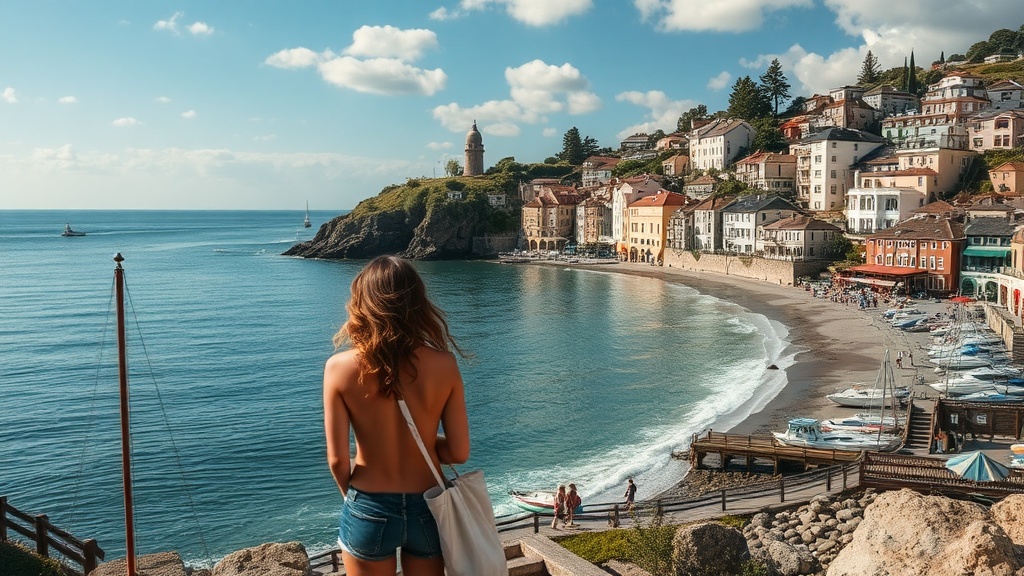
Why Small Coastal Towns Outshine Big Cities for Weekend Escapes

Only 23% of American travelers say they feel genuinely relaxed after a city weekend—compared to 67% who return from small coastal towns feeling recharged. That gap isn't coincidence. It's the difference between fighting crowds for restaurant reservations and watching fishermen haul in the morning catch with a coffee in hand.
This post breaks down what makes compact seaside destinations superior for short trips, where to find underrated spots within a few hours of major hubs, and how to plan around the rhythms of local life rather than tourist schedules.
What Makes Small Coastal Towns Ideal for Short Trips?
The math is simple but overlooked—smaller places compress experiences. You can walk from your bed-and-breakfast to the harbor, the bookstore, and the best clam chowder in town within fifteen minutes. No ride-shares. No subway transfers. No deciding whether that museum on the other side of the metropolis is worth the trek.
In places like Camden, Maine or Mendocino, California, the entire town becomes your living room. You bump into the same people—the woman who runs the pottery studio, the guy who fixes boats, the couple celebrating their anniversary at the corner table. These encounters feel earned rather than transactional. You're not anonymous; you're present.
The physical scale helps too. Coastal towns were built before cars—winding streets, compact harbors, hills that reward walking. You get incidental exercise without trying. A morning stroll to the pier becomes routine. An afternoon climb to the lighthouse becomes habit. By day two, your body has adjusted to the town's pace—slower, sun-warmed, salt-tinged.
Where Can You Find Underrated Coastal Getaways Near Major Cities?
You don't need to fly cross-country. Some of the best small-coast experiences hide within driving distance of places millions already call home.
Near Seattle: Langley on Whidbey Island sits just ninety minutes from the city (including the ferry), yet feels like coastal Maine relocated to the Pacific. The town has maybe a dozen commercial buildings total—an old theater, a bookshop with resident cats, a handful of restaurants that close by nine. The beaches face Saratoga Passage, giving you views of the Cascades across the water. It's the kind of place where locals know the tide tables by heart.
Near Boston: Rockport, Massachusetts gets overshadowed by its famous neighbor Gloucester, but that's the point. The Working Artist Studios—dozens of them scattered through converted fishing shacks—keep the town visually alive without the bus-tour crowds. Bearskin Neck, the peninsula jutting into the Atlantic, packs more visual interest per square foot than most major waterfronts.
Near Los Angeles: Cayucos, halfway between San Francisco and LA on Highway 1, missed the development that transformed Cambria and Morro Bay. The 1867 pier still stands. The brown pelicans still dive for fish. Brown Butter Cookie Company operates out of a small storefront downtown. That's it—that's the commercial district. Everything else is ocean, hills, and the occasional herd of cows grazing above the bluffs.
Near Chicago: Most Midwesterners don't think "coastal," but Sleeping Bear Dunes National Lakeshore anchors a string of small Lake Michigan towns—Empire, Glen Arbor, Leland—that deliver genuine coastal vibes without the salt water. The water's fresh, the dunes tower four hundred feet, and the cherry orchards ripen in July.
How Do You Plan a Weekend Around Local Rhythms Instead of Tourist Schedules?
The biggest mistake visitors make is treating small towns like cities—late breakfasts, packed itineraries, reservations for everything. Coastal towns operate on different clocks. Fishermen leave at dawn. Restaurants prep for lunch crowds. Shops close early because the owners have dinner plans too.
Arrive Thursday night if possible. Friday morning in a working harbor town is worth experiencing—the boats returning, the catch being processed, the coffee shops filling with locals who've known each other for decades. By Saturday morning, you've already settled in. You're not catching up; you're parallel.
Eat early or late, not at peak times. The best meals in small coastal towns often happen at 5:30 PM (when the fishing crews come in) or 8:30 PM (when the kitchen's no longer slammed). Ask where the locals eat breakfast—not fancy brunch, but breakfast. That's where you'll hear about conditions on the water, which trail's overgrown, whether the whale sightings have started.
Build in empty hours. Small towns reward wandering without destination. The best bookstore might be the one you stumble into because you took a wrong turn. The best conversation might happen on a bench watching the tide go out. Don't fill your itinerary—protect it.
Finding Accommodation That Fits
Skip the chain hotels. They exist on the edges of these towns, convenient to highways and nothing else. Instead, look for:
- Converted captain's houses with creaky floors and water views
- Small inns where breakfast is served family-style at shared tables
- Vacation rentals above downtown shops—living space directly over the action
- Historic motels updated by owner-operators who care about mattresses
The goal is proximity. You want to step outside and be in the town, not adjacent to it. Parking should be an afterthought because you won't need your car.
What to Pack (and What to Leave)
Small coastal towns are informal. The same jacket works for dinner and morning fog walks. You need layers, not options. One nice shirt. Comfortable shoes for uneven sidewalks and beach stairs. A book—because there's downtime, and it should be filled with something better than scrolling.
Leave the itinerary rigidity. Leave the expectation of entertainment. Small towns don't perform for visitors—they simply exist, and you're welcome to exist alongside them for a weekend.
When Is the Best Time to Visit Small Coastal Towns?
Summer brings crowds and higher prices. Shoulder season—September through October on both coasts—delivers the best combination of open businesses, available tables, and walking weather. The light turns golden. The summer residents have gone home. Locals have time to talk.
Winter has its own appeal if you don't mind limited services. Some restaurants close. Some inns shutter. But the storms rolling in off the Pacific or Atlantic are spectacular from inside a warm pub. Rates drop dramatically. You'll have the beach to yourself.
Spring is unpredictable—rain, mud, businesses still finding their rhythm after winter. But the wildflowers on coastal bluffs can be extraordinary, and the first warm days bring out a particular energy in towns waking up.
The real answer: go when you need to reset. Small coastal towns work because they're complete places with intact communities. You're not visiting a destination—you're borrowing a neighborhood for forty-eight hours. The ocean doesn't care about your schedule, and after a day or two, neither will you.
For more on sustainable coastal tourism, see Ocean Conservancy's responsible travel guidelines. If you're planning Pacific Northwest specifically, Visit Seattle's waterfront towns guide offers practical logistics.