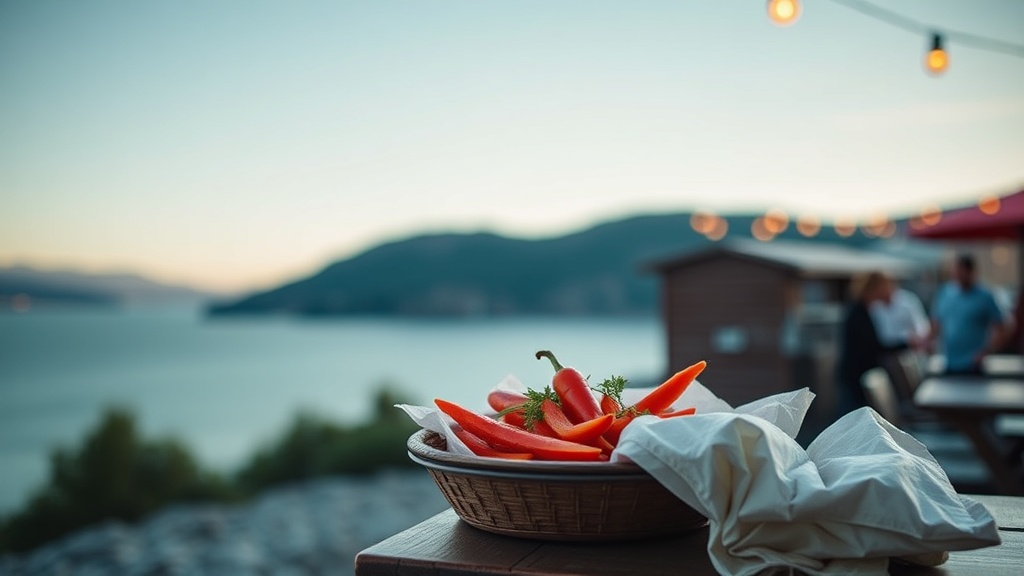
Why Your Weekend Getaway Needs a Local Food Focus

Forget the Five-Star Buffet: Why Real Travel Starts with Local Flavors
Most travelers believe that a luxury weekend escape requires a reservation at a Michelin-starred restaurant or a sprawling, expensive hotel buffet. This is a mistake. If you spend your limited forty-eight hours eating at high-end chains or staying within the controlled environment of a resort dining room, you aren't actually experiencing the destination—you're just eating food in a different zip code. True travel immersion happens when you ditch the predictable menus and seek out the places where the locals actually eat. This post explores why centering your weekend itinerary around regional food and culture creates a more memorable trip than any expensive tasting menu ever could.
Is a Food-Centric Trip Worth the Extra Effort?
It might seem easier to just walk into the hotel restaurant, but the effort to find authentic local eats pays off in ways a standard vacation cannot. When you seek out a specific regional dish—whether it's a street taco in a bustling market or a specific type of handmade pasta in a small village—you connect with the history of the area. You aren't just consuming calories; you're consuming a piece of the local identity. This approach turns a simple meal into a cultural lesson. Instead of being a passive observer, you become an active participant in the local lifestyle.
Consider the difference between eating a generic burger in a city like Seattle versus finding a hidden gem that serves a regional specialty. The burger is fine, but the specialty tells a story. To find these spots, look for places with short menus and high turnover. A menu with fifty items usually means they are making frozen food; a menu with five items means they are perfecting one thing. Check sites like Eater to find more specific, editorially vetted recommendations for cities you might be visiting. This helps you avoid the "tourist traps" that often plague popular weekend destinations.
What Are the Best Ways to Find Authentic Local Food?
Finding the good stuff requires a bit of detective work, but it's part of the fun. You shouldn't rely solely on big-name review sites that often feature heavily sponsored or biased content. Instead, try these methods:
- Observe the Crowds: If you see a line of locals or a high volume of delivery drivers outside a small shop, that is your cue. People don't wait in line for mediocre food.
- Follow the Smell: It sounds cliché, but in many coastal or mountain towns, the scent of local spices or fresh baking is a reliable compass.
- Talk to Non-Hotel Staff: Ask the person at the local coffee shop or the person working at the bookstore where they grab lunch. They are much more likely to give you an honest, unvarned opinion than a hotel concierge.
If you are planning a trip to a specific region, look at the New York Times Travel section for deep dives into regional dining trends. This can give you a head start on knowing what to look for before you even leave your house.
How Can I Plan a Weekend Around Food Without Overdoing It?
The biggest mistake people make when planning a food-focused weekend is trying to eat at a new, famous place for every single meal. This is a recipe for burnout and a very expensive flight home. You need a balance. I suggest picking one "anchor meal" per day. This is your big event—the long, slow lunch or the elaborate dinner that you've researched and booked in advance. For your other meals, keep it casual and low-stakes. A quick sandwich from a local bakery or a quick bite at a food truck is perfectly acceptable.
A sample weekend structure might look like this:
| Timeframe | Activity Style | Goal |
|---|---|---|
| Friday Evening | Casual Street Food | Low pressure, high flavor |
| Saturday Lunch | Regional Specialty | The "Anchor Meal" of the trip |
| Saturday Night | Local Neighborhood Bar/Bistro | Atmosphere and social connection |
| Sunday Brunch | Bakery or Coffee House | Relaxed wind-down |
By following this structure, you avoid the stress of constant decision-making. You get one spectacular culinary moment, but you don't spend your entire weekend waiting for a table. This allows you to enjoy the scenery and the local architecture without being constantly preoccupied with your next reservation.
Don't forget to consider the logistics of food-based travel. If you're visiting a remote area, remember that many local gems close earlier than city centers. A small-town bistro might stop serving at 8:00 PM, which can be a shock if you're used to late-night dining in a major city. Always check the hours before you head out. A little bit of research goes a long way in preventing a hungry, frustrated afternoon.