Unexpected Island Hops Through the Southeast Asian Archipelago

The Quiet Shores of Koh Kood
Exploring the Raja Ampat Archipelago
The Serene Sands of Phu Quoc
Hidden Gems of the Mergui Archipelago
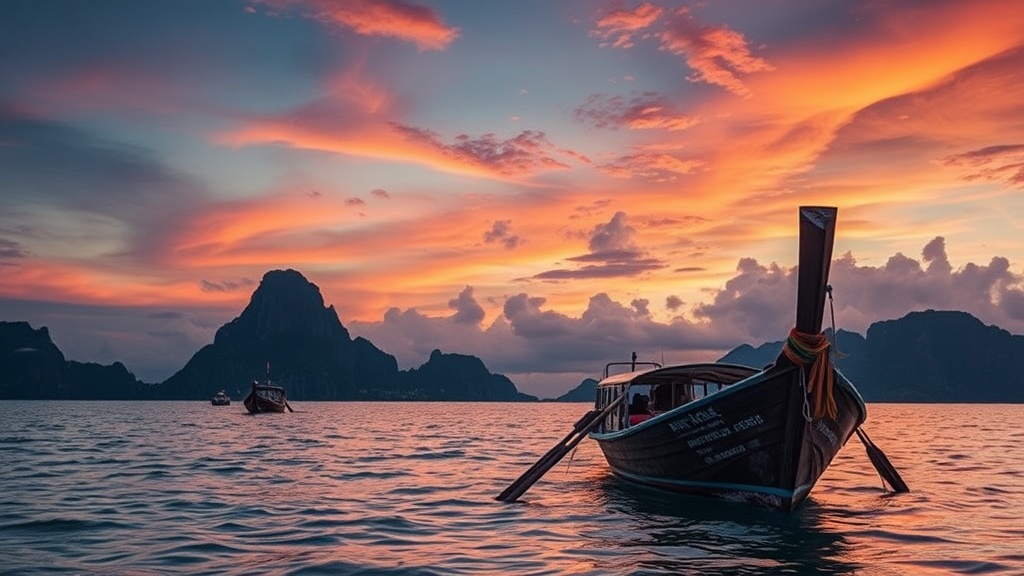
Imagine sitting on a ferry in the middle of the Andaman Sea, watching the sun dip below the horizon while a local fisherman passes by in a wooden longtail boat. You expected a standard resort stay in Phuket, but instead, you've found yourself drifting toward a tiny, uninhabited islet that isn't even on most standard tourist maps. This post explores the logistics, costs, and specific island-hopping routes through the Southeast Asian archipelago—specifically focusing on the lesser-known corners of Indonesia and the Philippines—so you can plan a trip that avoids the heavy crowds of Bali or Boracay.
Where are the best islands for off-the-beaten-path travel?
The best islands for seclusion are found in the eastern provinces of Indonesia and the remote provinces of the Philippines. While everyone else is fighting for a spot on a beach in Seminyak, you should look toward the Sumba island in Indonesia or the Siargao region in the Philippines. These spots offer a similar tropical vibe but with a fraction of the commercialized infrastructure.
Sumba is a standout because it feels like a time capsule. You'll see traditional thatched-roof houses and vast savannahs that look more like Africa than Southeast Asia. It’s rugged. It’s raw. If you want a luxury resort experience, you might be disappointed, but if you want culture, it's unbeatable.
In the Philippines, Siargao has gained some popularity, but it still maintains a much more laid-back, surfer-centric energy than the high-rise-heavy Boracay. You can rent a scooter and ride through coconut groves for hours without seeing another tourist. It’s a great way to spend a week if you need to disconnect.
The Top Three Archipelago Routes
- The Komodo Route: Start in Labuan Bajo, Indonesia. Use a local boat to visit Padar Island for the views and then head to the Komodo National Park to see the dragons.
- The Palawan Secret: El Nido to Coron. Most people stop at El Nido. If you keep going toward Coron, the limestone karsts become even more dramatic and the water gets even clearer.
- The Raja Ampat Expedition: This is for the serious traveler. It requires more planning and a bigger budget, but the biodiversity is the best in the world.
How much does an island-hopping trip cost?
A mid-range island-hopping trip in Southeast Asia typically costs between $50 and $120 per day, depending on how much you rely on private boat charters versus public ferries. This budget assumes you are staying in boutique guesthouses rather than luxury resorts and eating at local warungs or street stalls.
Let's look at the breakdown of a typical week in the Indonesian archipelago (prices in USD):
| Expense Type | Budget Option | Mid-Range Option |
|---|---|---|
| Accommodation | $15 - $25 (Homestay) | $45 - $80 (Boutique Villa) |
| Daily Meals | $10 - $15 (Street Food) | $30 - $50 (Cafe/Restaurant) |
| $20 (Public Ferry) | $150+ (Private Speedboat) | |
| Transportation | $5 (Scooter Rental) | $25 (Private Driver) |
One thing to keep in mind: transport is where your budget can get blown. If you want to move between islands, you can't just call an Uber. You're looking at scheduled ferries or expensive private charters. If you're a fan of a more organized approach, you might want to check out my previous thoughts on choosing the right route for scenic travel, though the logistics here are much more water-based and unpredictable.
The catch? Small islands often have limited ATM access. Always carry more cash than you think you'll need—especially if you're heading to the smaller islands in the Philippines where credit cards are virtually useless.
What gear is necessary for remote island hopping?
You need a reliable dry bag, a high-quality water filter, and lightweight, quick-dry clothing to survive the humidity and salt. Don't bother with heavy denim or cotton-heavy outfits; they'll never dry in the tropical air.
I can't stress enough how much a good dry bag changes the experience. When you're hopping from one boat to another, your electronics and passport are constantly at risk of a sudden tropical downpour or a rogue wave. I personally use a 20L Sea to Summit dry bag—it's durable enough to handle the constant tossing around in a boat hull.
Also, don't forget about your skin. The sun in the equatorial regions is much more intense than in Seattle. I always carry a high-SPF mineral sunscreen. If you're planning on hiking through jungle areas to find a hidden beach, you should also pack a lightweight water filter to ensure you can stay hydrated without constantly buying plastic bottles.
Here is a quick checklist for your packing:
- Waterproof Tech: A GoPro or a waterproof phone pouch is non-negotiable.
- Footwear: A pair of sturdy Teva sandals or Birkenstock EVAs. You'll be in and out of the water constantly.
- Power: A high-capacity power bank. Electricity can be spotty on smaller islands.
- Health: Rehydration salts and a basic first aid kit.
It's a good idea to keep your electronics in a dedicated pouch within your bag. Even with a dry bag, things get damp. Humidity is a silent killer for cameras and laptops.
How do I find the best local food?
The best food is found at the night markets or at small, family-run stalls near the docks. Look for the places where the locals are congregating—that's your best indicator of quality and price.
In the Philippines, look for "Carinderia." These are small eateries that serve various dishes in a buffet style. It's cheap, it's delicious, and it's the real deal. In Indonesia, follow the smell of the Satay grills. If you see a crowd around a smoke-filled stall at dusk, join them. You'll likely find the best meal of your trip there.
If you're feeling adventurous, don't be afraid to eat with your hands. In many parts of the archipelago, this is the traditional way to enjoy a meal. It's part of the cultural experience. Just make sure you wash your hands thoroughly first—local soap isn't always a given in remote areas.
One tip for the more cautious eater: stick to food that is cooked hot in front of you. Avoid raw vegetables or salads if you're worried about water quality. This is the best way to avoid the dreaded "traveler's tummy" that can ruin a perfectly good vacation.
When you're wandering through these areas, you'll notice the rhythm of the day changes. Mornings are for movement, afternoons are for rest, and evenings are for food. Embrace that. Don't try to cram too many activities into a single day. The whole point of an island hop is to slow down and actually see the places you're visiting.