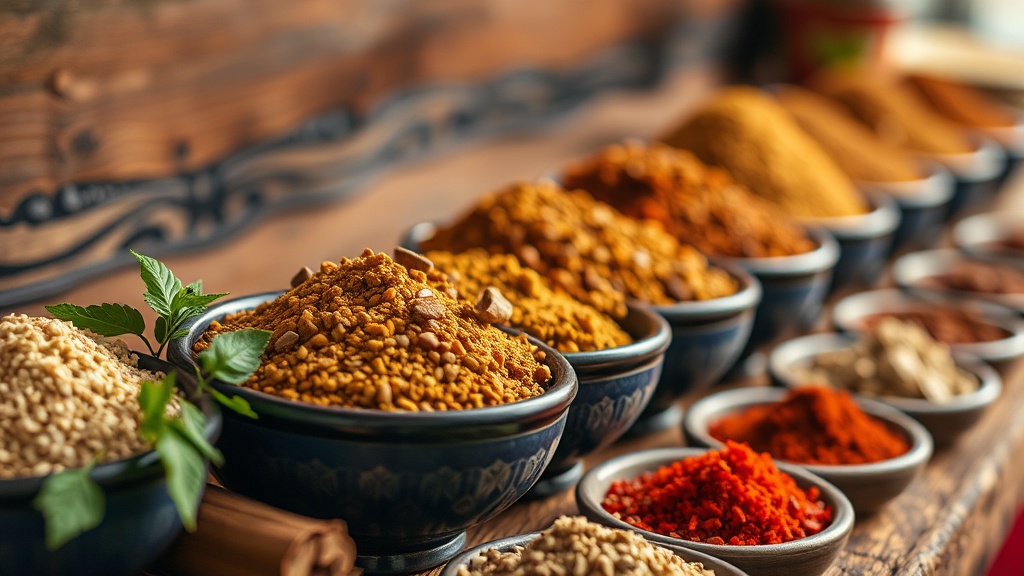
Tracing Ancient Silk Road Traditions Through Central Asian Spices

You'll learn how to identify authentic Silk Road spices, where to find them in Central Asian markets, and how to incorporate these flavors into your travel-based cooking. This guide focuses on the practicalities of sourcing high-quality spices in Uzbekistan, Kyrgyzstan, and beyond to ensure your culinary experiences are actually authentic.
Traveling through Central Asia isn't just about seeing the architecture of Samarkand or the mountains of Kyrgyzstan. It's about the sensory experience of the bazaars. If you don't know what you're looking for, you'll likely end up with generic, low-grade spices that lack the depth of the real thing.
What Spices Define the Central Asian Flavor Profile?
The core of Central Asian cuisine relies on a heavy use of cumin, coriander, and black pepper, often paired with the pungent, savory notes of dried fruits and local peppers. You can't walk five steps in a wayz (traditional market) without hitting a wall of aromatic scents. It's intense, sometimes overwhelming, but entirely worth it.
While many travelers focus on the visual beauty of the Silk Road, the real magic is in the spice blends. Here are the staples you'll encounter most often:
- Cumin (Zira): This isn't the dusty stuff you find in a grocery store. In the markets of Tashkent, you'll find whole seeds that are incredibly fragrant and oily.
- Saffron: High-quality saffron is a status symbol in Central Asia. It's expensive, but a tiny bit goes a long way in traditional pilaf.
- Sumac: This adds a bright, acidic punch to meats and salads. It's a staple in many regional dishes to balance out heavy fats.
- Dried Barberries: These tiny, tart berries are essential for adding texture and a sharp note to savory rice dishes.
I once spent an entire afternoon in a market near the Registan just trying to distinguish between different types of peppercorns. (It was much harder than I thought it would be, by the way.)
Where Can You Buy Authentic Spices for Travel?
The best places to buy authentic spices are the traditional bazaars, such as the Chorsu Bazaar in Tashkent or the Sabyonoz Market in Bishkek. These are not tourist boutiques; they are working markets where locals buy their daily supplies.
When you're shopping, don't be afraid to engage with the vendors. Most spice merchants are incredibly proud of their stock. If you want to see the quality, ask them to show you the whole spices rather than the ground versions. Ground spices lose their potency much faster.
A quick tip for your shopping list: if you're looking for high-quality tea to pair with these spices, you might enjoy exploring high-altitude tea traditions in other parts of Asia, but for Central Asia, look for local black teas that stand up to the heavy spices.
Pro-tip for the savvy traveler: Always carry small denominations of local currency. Most of these vendors don't take cards, and even the bigger stalls prefer cash for spice transactions.
| Spice Name | Common Local Use | What to Look For |
|---|---|---|
| Zira (Cumin) | Plov (Pilaf) | Darker, oily seeds |
| Turmeric | Coloring Rice | Deep orange, not pale yellow |
| Paprika | Meat Rubs | Vibrant red, fine grind |
| Anise | Bread & Pastries |
How Much Does a High-Quality Spice Collection Cost?
A standard selection of premium Silk Road spices will typically cost between $20 and $50 USD for a significant amount of high-grade ingredients. Prices vary wildly based on the rarity of the item—saffron, for example, will be significantly more expensive than cumin.
Don't expect to pay "Western" prices. In many Central Asian markets, you can get a substantial amount of high-quality cumin or coriander for just a few dollars. However, if you're buying saffron or high-grade cardamom, the price jumps. It's wise to budget a little extra for the "premium" items if you want the real deal.
Here's the thing: if a price seems too good to be true, it probably is. If a vendor is offering "pure saffron" at a suspiciously low price, it's likely dyed or adulterated with other plant matter. You can check the Wikipedia entry for Saffron to learn more about the biological markers of the real stuff if you're skeptical.
If you're planning to bring these home, remember that many airlines have strict rules about bringing organic material across borders. Check your local customs regulations before you pack your suitcase. I've seen people lose entire spice collections at customs because they didn't realize spices were restricted items.
It's not just about the taste; it's about the history. When you use these spices, you're using the same ingredients that shaped empires. The way a single clove of garlic or a pinch of cumin can change a dish is a testament to how much these small things matter.
If you're looking for a way to make your travels more efficient, you might want to look at choosing the right routes for your next trip, though the logistics in Central Asia are a bit more rugged than in Europe. You'll be relying more on shared taxis and local buses than high-speed rail.
The scent of a market in Samarkand is something you'll never forget. It stays with you long after you've left the region. Whether it's the smell of toasted sesame or the sharp sting of dried chili, it's a sensory map of the Silk Road that you can actually take home with you—provided you pack it correctly.
When you're standing in the middle of a bustling bazaar, everything feels a bit chaotic. The noise, the heat, the constant movement. But once you find that one stall with the perfect spices, the chaos fades into the background. You're just focused on the color, the texture, and the promise of a great meal.
One thing to watch out for is the humidity. If you buy spices in bulk, make sure you have airtight containers. There's nothing worse than getting home to find your "premium" spices have gone stale because of a poorly sealed bag from the market.
I've found that the best way to experience this is to go slow. Don't rush through the market. Sit down, have a tea, and watch the way people interact with the spices. It's much more than just a transaction—it's a way of life.
The depth of flavor you get from these ingredients is unmatched. It's a different kind of richness than what we're used to in the West. It's earthy, it's heavy, and it's deeply satisfying.
If you're a cook at heart, your kitchen will thank you for the trip. Even if you're just making a simple stew, adding a bit of authentic Zira can transform a boring meal into something that feels like an adventure.
Keep an eye out for the small details. The way the light hits the mounds of turmeric, or the way the vendors stack their goods. These are the things that make a trip to Central Asia truly special.
Don't forget to bring a small scale or a way to weigh your items if you're buying in bulk. It helps ensure you're getting exactly what you're paying for. It's a small step, but it makes a big difference in your overall experience.
The Silk Road is still alive, not just in the history books, but in every handful of spices sold in the markets of Uzbekistan. It's a living, breathing tradition that you can taste.